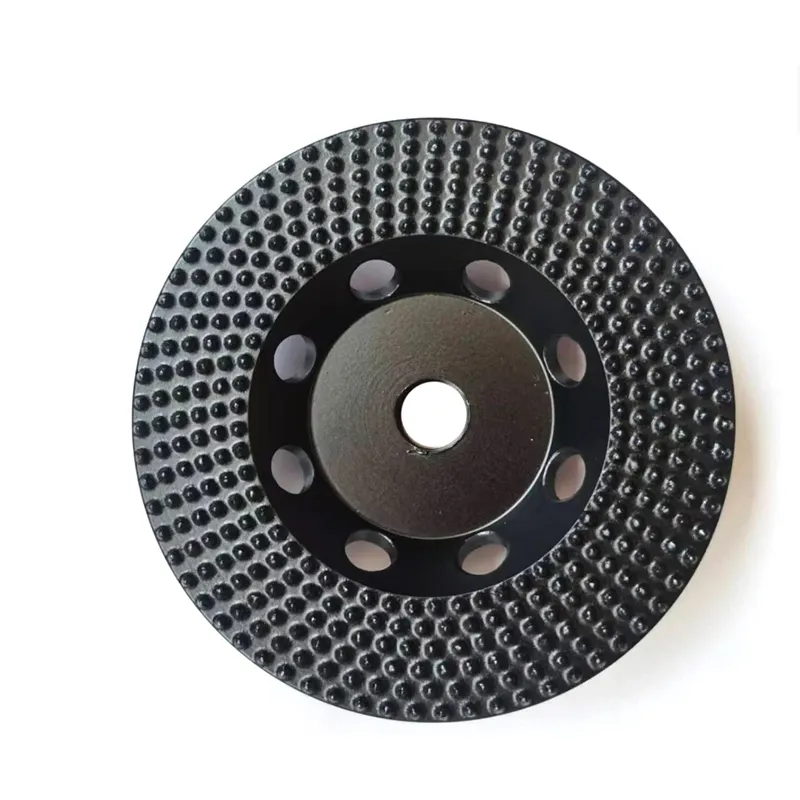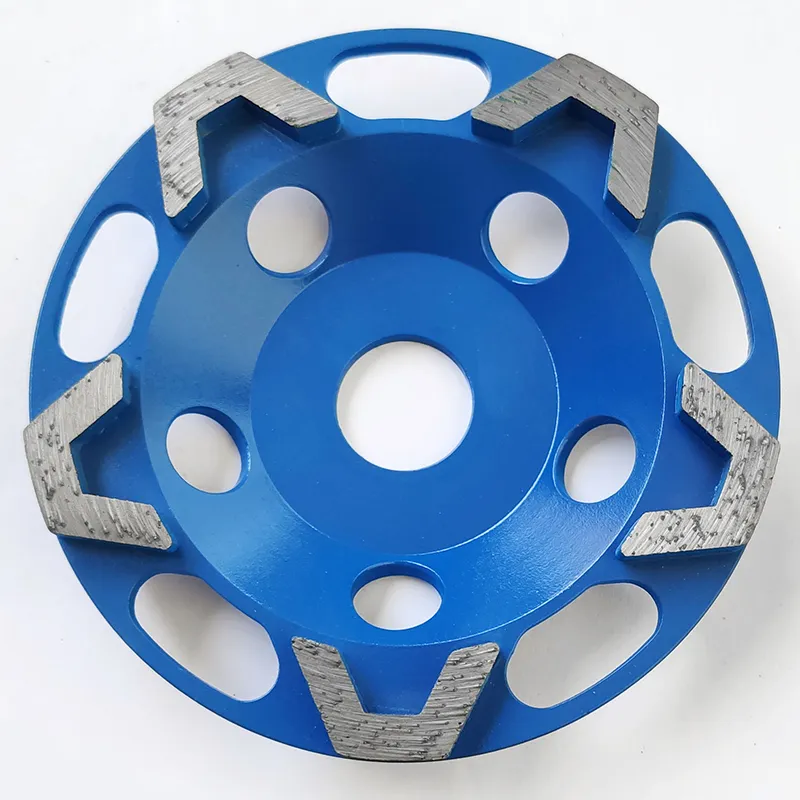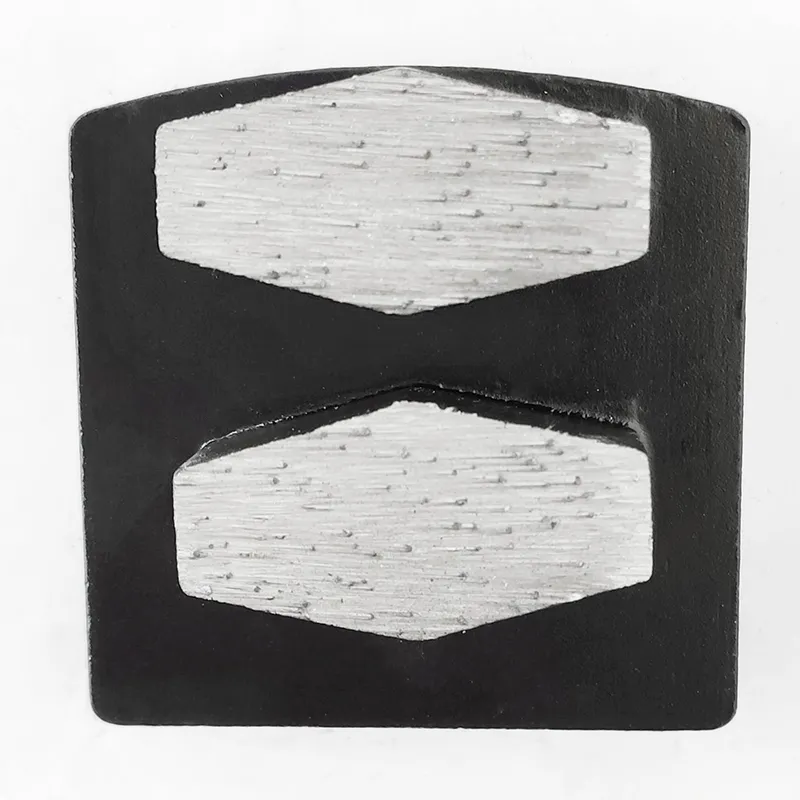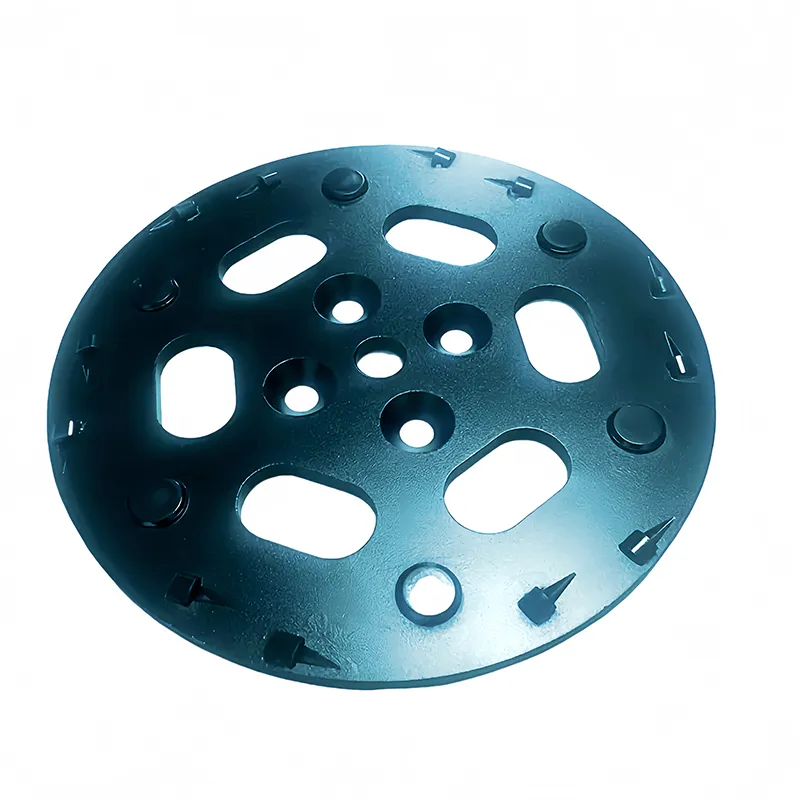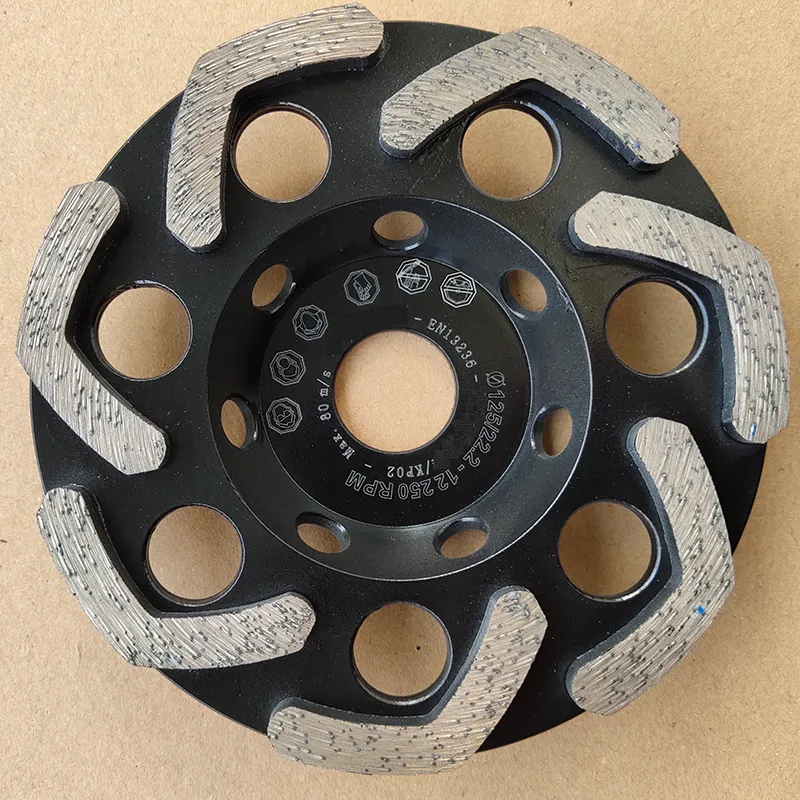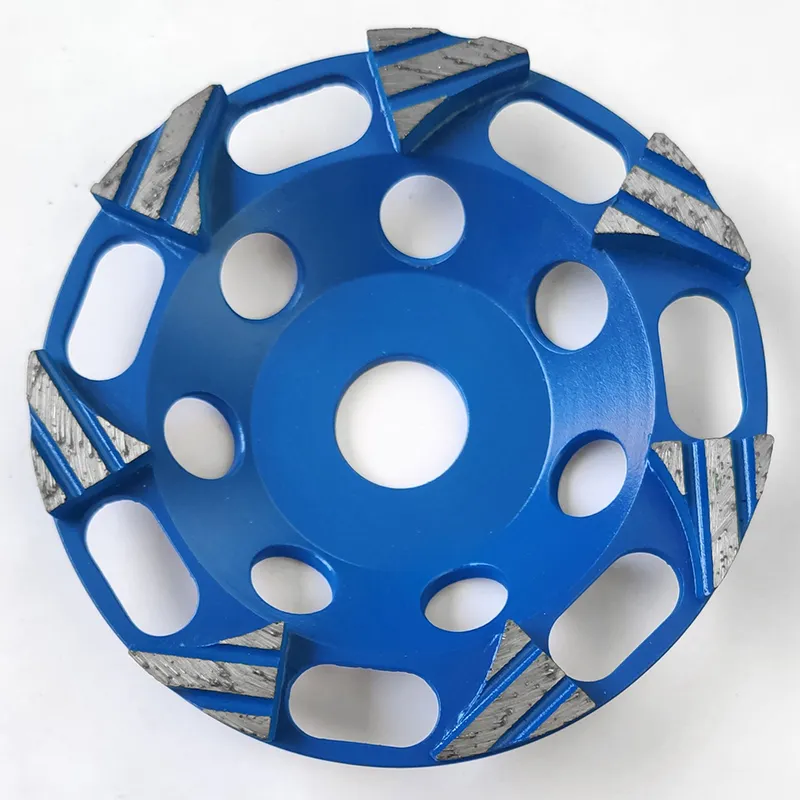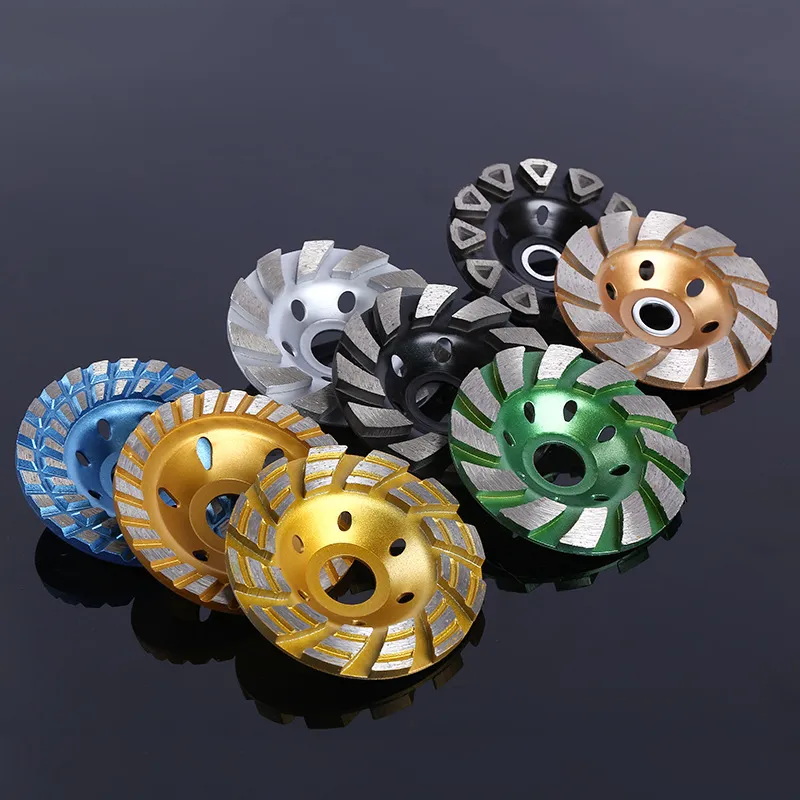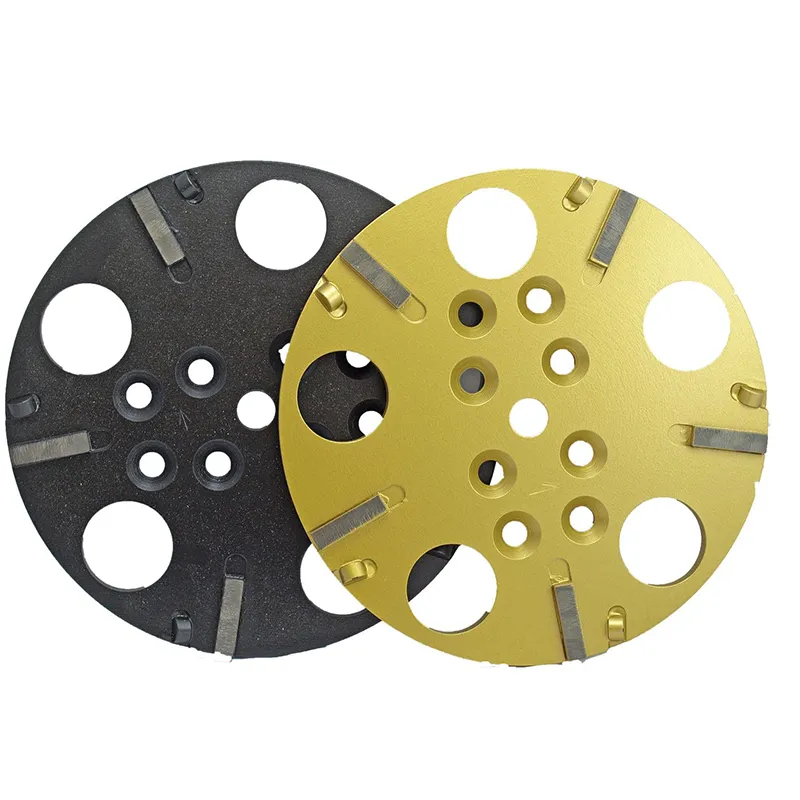


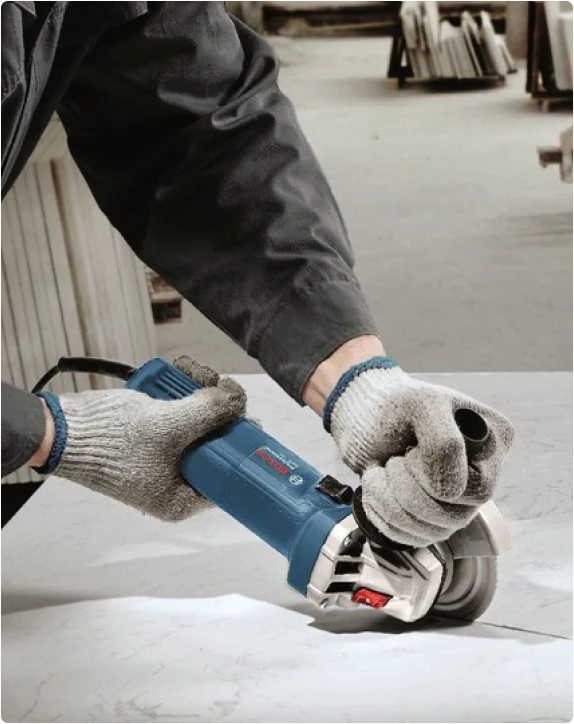
diamond blade for cutting marble
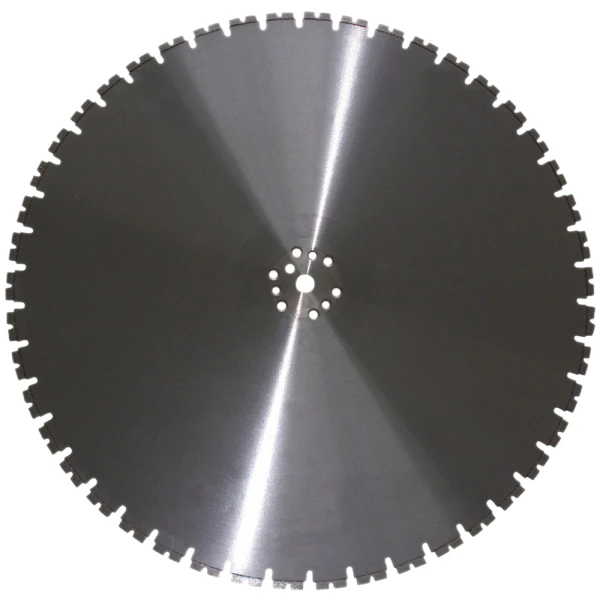
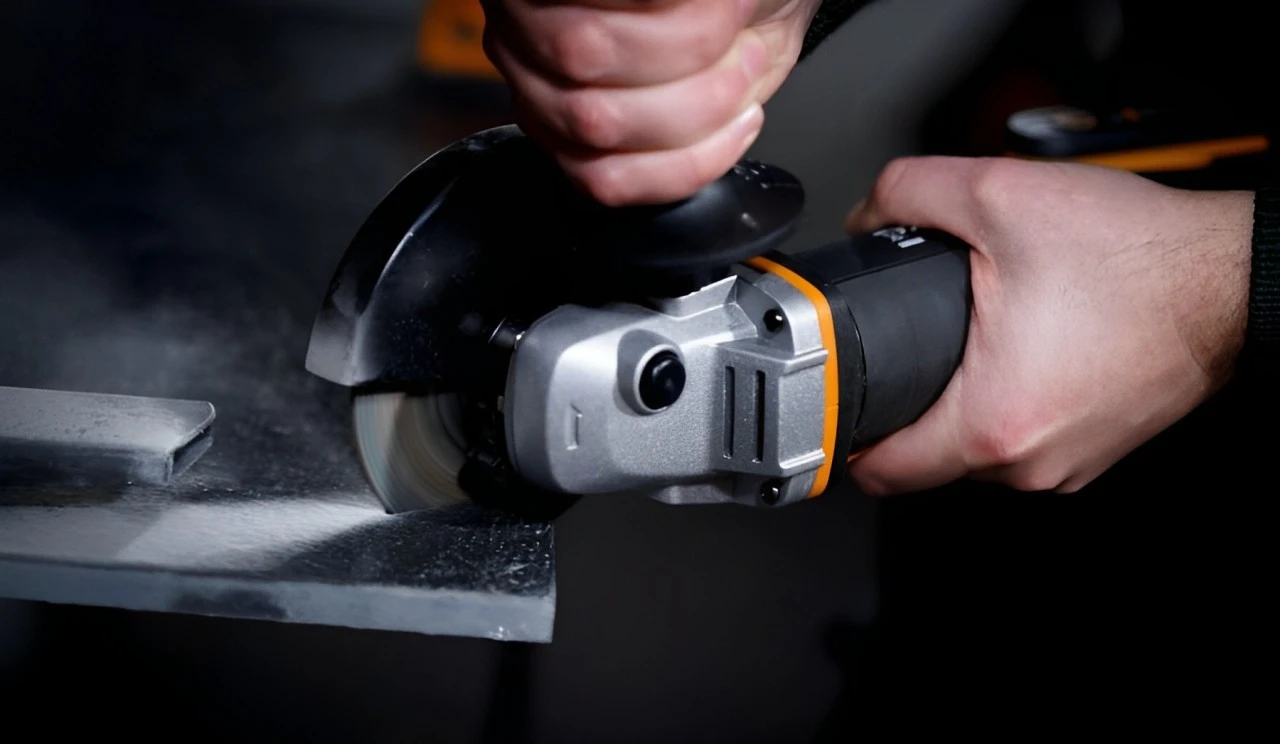
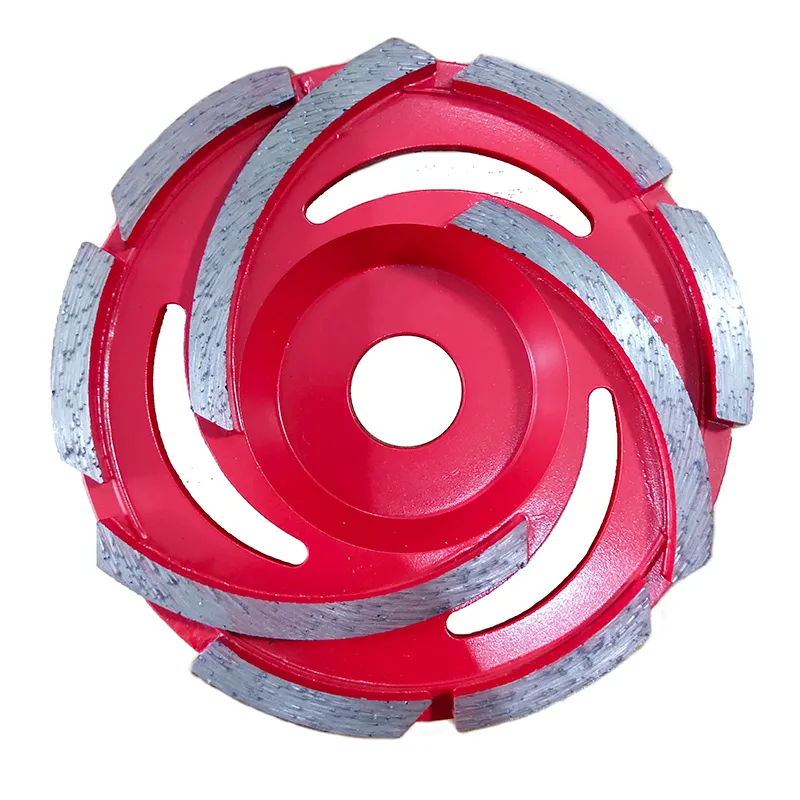
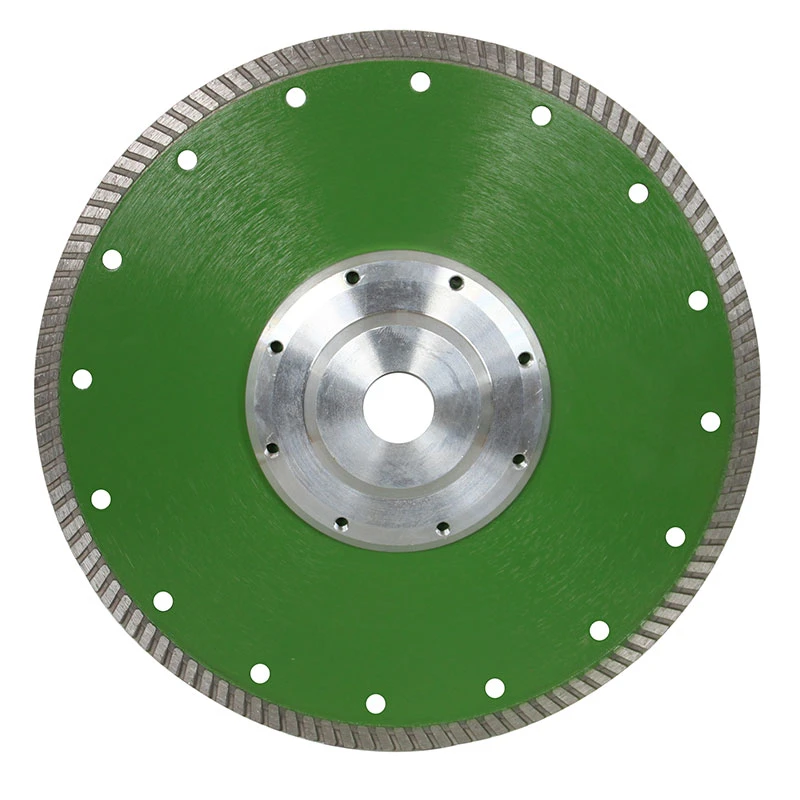
The Indispensable Role of diamond blade for cutting marble in Modern Fabrication In the intricate world of stone fabrication, precision and efficiency are paramount. Marble, renowned for its timeless beauty and luxurious appeal, demands specialized tooling for its transformation into architectural marvels, elegant countertops, and intricate sculptures. The cornerstone of this precision is the advanced diamond blade for cutting marble , a sophisticated engineering marvel designed to tackle the unique characteristics of this metamorphic rock. This comprehensive guide delves into the technical intricacies, application benefits, and strategic considerations for selecting and utilizing the optimal diamond blade in B2B contexts, ensuring superior results and operational longevity. We will explore the manufacturing excellence, performance parameters, and the strategic advantages offered by high-quality diamond blades, including those used for related materials like a porcelain cutting disc , highlighting the innovation driving the industry forward. Industry Trends in Diamond Blade Technology for Stone Processing The stone cutting industry is witnessing significant advancements, driven by demands for higher precision, increased automation, and greater sustainability. Key trends include the development of segment formulations optimized for specific material hardness and abrasive properties, such as enhanced bonds for marble that minimize chipping and maximize cut quality. There's a growing emphasis on wet cutting systems to reduce dust and extend blade life, alongside innovations in laser welding technologies for more robust segment attachment. Furthermore, the integration of smart manufacturing processes, including CNC machining and advanced material science, is leading to diamond blades with extended service life and superior cutting speeds, directly impacting project timelines and costs. Manufacturers are also focusing on creating versatile blades, such as an optimized porcelain blade , that can handle diverse materials without compromising performance. Advanced diamond blade technology for optimal stone processing. Understanding the Diamond Blade for Cutting Marble: Technical Specifications A specialized diamond blade for cutting marble is meticulously engineered, taking into account marble's relatively softer and more brittle nature compared to granite. Key technical specifications include: Blade Diameter & Bore Size: Ranging from small 4-inch blades for handheld grinders to large 60-inch blades for bridge saws, selected based on machine compatibility and cut depth requirements. Standard bore sizes (e.g., 7/8 inch, 5/8 inch, 1 inch, or custom) ensure precise fitting. Segment Height & Width: Taller segments indicate a longer usable life, while segment width influences the kerf (cut width) and material removal rate. Bond Type: Marble blades typically use softer metal bonds (e.g., cobalt-based) to allow for easier release of worn diamonds and expose new, sharp cutting edges. This prevents glazing and ensures consistent cutting performance. Diamond Concentration & Grit Size: A balanced concentration of high-quality industrial diamonds with fine to medium grit sizes (e.g., 60/80 or 80/100 mesh) is crucial for achieving smooth, chip-free cuts in marble without excessive heat generation. Gullet Design: U-gullets or key-hole gullets are common, designed to efficiently remove slurry and dissipate heat, crucial for wet cutting applications. Core Material: High-quality, heat-treated steel cores provide stability, minimize vibration, and resist deformation under strenuous cutting conditions. Manufacturing Process: From Raw Material to Precision Tool Core Steel Selection: High-carbon, heat-treated steel, often 65Mn or 45#, is chosen for its superior strength and flexibility. Diamond Segment Preparation: Synthetic industrial diamonds are carefully graded and mixed with proprietary metallic powder blends (e.g., cobalt, nickel, iron, bronze, tungsten carbide) to form the bond matrix. Hot Pressing/Sintering: The diamond-metal powder mixture is molded and then subjected to immense heat (typically 800-1100°C) and pressure in a sintering furnace. This process fuses the metal powders, encapsulating the diamonds within a durable segment. Laser Welding/Brazing: For robust segment attachment, segments are either laser-welded (for dry cutting) or brazed with silver solder (for wet cutting) onto the steel core. Laser welding creates an incredibly strong metallurgical bond, ensuring segment integrity. Tensioning & Straightening: Each blade undergoes a precise tensioning process to ensure optimal flatness and stability during high-speed rotation, minimizing wobble and vibration. Sharpening/Dressing: New blades are typically dressed (lightly cut into an abrasive material) to expose the initial layer of diamonds, making them ready for immediate, efficient cutting. Quality Control & Testing: Blades are rigorously tested for balance, run-out, and cutting performance. Compliance with international standards such as ISO 9001 and ANSI safety guidelines is verified. This ensures a consistent service life and high performance in target industries like construction and architectural fabrication. This meticulous process ensures blades offer advantages such as energy-saving efficiency through precise cuts and enhanced corrosion resistance due to high-quality core materials and robust segment bonding. Application Scenarios for Diamond Blades in Marble Cutting The versatility of a specialized diamond blade for cutting marble extends across various industries. In the construction sector, these blades are indispensable for shaping marble slabs for flooring, wall cladding, and staircases in commercial and residential projects. For interior design and custom fabrication, they enable precise cuts for countertops, backsplashes, vanity tops, and intricate decorative elements. Monumental masonry relies on these blades for crafting gravestones, statues, and memorials from large marble blocks, where aesthetic finish and structural integrity are paramount. The ability to achieve clean, chip-free edges minimizes material waste and post-cutting finishing, proving invaluable in scenarios from large-scale energy sector infrastructure requiring aesthetic finishes to bespoke metallurgical projects needing decorative elements. Precision cutting of marble for diverse architectural applications. Technical Advantages of Specialized Marble Cutting Blades Utilizing a blade specifically designed for marble offers distinct technical advantages over general-purpose diamond blades or those intended for harder materials like granite: Precision and Clean Cuts: The softer bond and optimized diamond grit ensure exceptionally smooth, chip-free edges, critical for visible marble surfaces and minimizing post-cutting labor. Reduced Material Waste: By preventing chipping and breakage, especially with delicate or veined marble, these blades significantly reduce costly material waste. Extended Tool Life: While marble is softer, inappropriate blades can still wear quickly. Specialized marble blades are engineered to wear efficiently, exposing new diamonds continuously, thereby maximizing service life and reducing replacement frequency. Faster Cutting Speeds: The optimized bond allows diamonds to engage with the marble more effectively, leading to quicker cutting rates without compromising finish quality. Minimized Heat Generation: A softer bond and efficient gullet design reduce friction and heat buildup, which is crucial for preventing discoloration or thermal shock in marble. Versatility in Wet vs. Dry Cutting: While wet cutting is preferred for marble to ensure optimal finish and dust suppression, specialized blades exist for dry cutting, offering flexibility in scenarios where water is impractical. These advantages collectively contribute to a higher quality output, improved operational efficiency, and a reduction in overall project costs, underscoring the value of selecting the right marble cutting blade for the job. Product Spotlight: High-Performance Diamond Blades While this article focuses on the specific requirements for a diamond blade for cutting marble , it's important to highlight manufacturers that excel in advanced diamond tooling across various hard materials. Our featured product, the 4inch 5inch Diamond Blade For Cutting Porcelain Tile, exemplifies the precision engineering and material science expertise required for challenging materials. The principles of optimized diamond concentration, precise bond formulation, and robust core design that deliver superior performance on tough porcelain tiles are directly applicable to achieving excellent results on marble. Product Specification Table: 4inch 5inch Diamond Blade For Cutting Porcelain Tile Parameter Specification (4-inch) Specification (5-inch) Blade Diameter 105 mm (4 inch) 125 mm (5 inch) Bore Size 20 mm (with 16 mm reducer) 22.23 mm (7/8 inch) Segment Height 10 mm 10 mm Segment Width (Kerf) 1.2 mm 1.4 mm Bond Type Continuous Rim, Optimized Metal Bond Continuous Rim, Optimized Metal Bond Application Porcelain Tile, Ceramic Tile, Granite (light duty) Porcelain Tile, Ceramic Tile, Granite (light duty) Cutting Type Wet or Dry Wet or Dry Max RPM 14,500 12,200 This porcelain tile blade is engineered for a smooth, fast, and chip-free cut, characteristics highly desired when cutting delicate materials like marble. Precision engineering for smooth, chip-free cuts in challenging materials. Vendor Comparison: Choosing the Right Diamond Blade Supplier Selecting the right supplier for a diamond blade for cutting marble is a critical decision for any B2B operation. Factors such as consistent quality, research & development investment, verifiable certifications, comprehensive customer service, and the ability to offer customized solutions should guide the choice. Price, while important, should be weighed against performance, longevity, and after-sales support to ensure true cost-effectiveness. Comparative Analysis of Diamond Blade Suppliers Feature/Metric Supplier A (Generic) Supplier B (Premium) MyDiamondBlade.com (Example) Diamond Quality Standard Industrial High-Grade Synthetic Premium, Geometrically Optimized Bond Formulation Basic Metal Matrix Proprietary Soft Bond Advanced Soft Cobalt/Bronze Alloys Core Material Standard Steel Heat-Treated Tool Steel Laser-Cut, Tensioned High-Carbon Steel Certifications Basic CE ISO 9001, ANSI B7.1 ISO 9001, ANSI, SGS Tested Customization Options Limited Moderate (Size/Bore) Extensive (Bond, Grit, Segment, Core Design) Average Blade Life (Marble) Moderate High Very High (+20% vs Premium) Technical Support Basic Responsive Dedicated Expert Support This comparison highlights the importance of choosing a supplier that not only provides a high-quality marble cutting blade but also offers comprehensive support and a proven track record of innovation and reliability. The difference in blade manufacturing quality. Customized Solutions for Specialized Marble Projects Recognizing that not all marble is created equal, and not all cutting tasks are standard, leading manufacturers offer customized diamond blade for cutting marble solutions. This can involve tailoring specific parameters like diamond grit size, concentration, bond hardness, segment design (e.g., turbo segments for faster cutting, notched segments for cooler operation), and even core stiffness to match unique project requirements. For instance, extremely soft or highly brittle marble may necessitate an even softer bond and finer diamonds to prevent chipping. Conversely, for high-production scenarios, a slightly more aggressive bond might be suitable for faster material removal. Customization extends to bore sizes for specialized machinery or specific blade profiles for intricate cuts and carving, ensuring optimal performance and extended tool life for distinct applications. For a porcelain tile blade , similar customization for tile hardness and density is also common. Customized blade solutions for specialized cutting needs. Application Case Studies: Excellence in Marble Fabrication Case Study 1: High-Volume Architectural Flooring Project A leading construction firm was contracted for a prestigious commercial building requiring over 10,000 square meters of marble flooring. Initial trials with general-purpose blades resulted in unacceptable chipping rates (over 5%) and slow cutting speeds. Partnering with a specialized blade manufacturer, they implemented a 24-inch diamond blade for cutting marble with a bespoke soft-bond formulation and continuous rim design. This solution reduced chipping to less than 0.5% and increased cutting speed by 30%, saving significant material costs and reducing project completion time by three weeks. The client lauded the blade's consistency and the resulting flawless finish. Case Study 2: Intricate Marble Sculpture Restoration A renowned art conservation studio undertook the delicate restoration of an ancient marble statue, requiring precise cuts to replace damaged sections. They needed an exceptionally thin, small-diameter blade that could deliver microscopic precision without causing micro-fractures. A custom 4-inch diamond blade for cutting marble , with an ultra-fine diamond grit (150/170 mesh) and a super-soft, resin-modified bond, was developed. This specialized tool enabled the conservators to execute intricate cuts with unparalleled accuracy, preserving the statue's historical integrity and aesthetic value, demonstrating superior control and minimal material removal. These cases underscore the tangible benefits of investing in highly specialized and engineered diamond tooling for specific applications, enhancing both efficiency and quality. Exemplary results from high-performance marble cutting blades. Ensuring : Authoritative Standards and Certifications To ensure the highest levels of Expertise, Experience, Authoritativeness, and Trustworthiness () in diamond blade manufacturing, adherence to stringent international standards is critical. Reputable manufacturers comply with ISO 9001:2015 for quality management systems, guaranteeing consistent product quality from design to delivery. Products are often tested against ANSI B7.1 safety standards for abrasive wheels, ensuring operational safety and reliability. Furthermore, internal testing protocols, often exceeding industry benchmarks, involve cutting thousands of linear feet of various marble types to validate blade life, speed, and finish quality. Long-standing partnerships with leading stone fabricators and machinery manufacturers, alongside decades of service in the industry, further reinforce a company's authoritative standing. Independent laboratory verification of material composition and performance data, coupled with transparency in test results, builds profound user trust. This includes continuous investment in R&D to enhance blade technologies, such as those found in cutting-edge porcelain cutting disc designs. Trustworthiness: FAQs, Logistics, and Support Frequently Asked Questions (FAQs) Q1: What is the primary difference between a marble blade and a granite blade? A1: Marble blades typically feature a softer metal bond and often finer diamond grit to ensure smooth, chip-free cuts in marble's softer, more brittle structure. Granite blades, conversely, use harder bonds to withstand the abrasive nature and density of granite, ensuring diamond retention. Q2: Is wet cutting mandatory for marble? A2: While dry cutting blades exist, wet cutting is highly recommended for marble. Water cools the blade, minimizes dust (a health hazard), and significantly reduces chipping, resulting in a cleaner cut and extended blade life for your marble cutting blade . Q3: How do I choose the correct blade diameter for my application? A3: Blade diameter is dictated by your cutting machine's specifications (e.g., angle grinder, bridge saw) and the maximum depth of cut required. Always consult your equipment's manual and the blade manufacturer's recommendations. Q4: What causes premature wear or poor performance in a diamond blade? A4: Common causes include using the wrong blade for the material (e.g., a granite blade on marble), excessive feed pressure, insufficient cooling (for wet cutting), incorrect RPM, or using a glazed blade that needs dressing to expose new diamonds. Overheating can particularly damage the diamond segments on any porcelain tile blade or marble blade. Lead Time & Fulfillment Details Standard orders for our popular diamond blade for cutting marble and porcelain cutting discs typically have a lead time of 7-14 business days, depending on inventory levels and order volume. Customized solutions may require 3-5 weeks for design, manufacturing, and quality assurance. We maintain efficient supply chain logistics to ensure timely delivery, with expedited shipping options available upon request. Warranty Commitments All our diamond blades are backed by a comprehensive 12-month warranty against manufacturing defects. This commitment reflects our confidence in our product quality and adherence to strict production standards. Should any blade fail due to a manufacturing fault, we offer prompt replacement or credit, ensuring minimal disruption to your operations. Customer Support Information Our dedicated customer support team is available to assist with technical queries, product selection, and order status. We offer expert guidance to help you choose the ideal diamond blade for cutting marble or any other material, ensuring your cutting applications are optimized for performance and cost-efficiency. Contact us via phone at [Your Phone Number] or email at [Your Email Address] for prompt and professional assistance. Comprehensive support ensures customer satisfaction and operational success. Future Outlook and Innovation in Diamond Blade Technology The future of diamond blade technology for materials like marble and porcelain is poised for exciting advancements. Research is focused on developing 'smart' blades embedded with sensors to monitor temperature, vibration, and wear in real-time, providing predictive maintenance insights. Innovations in segment design, including multi-layer diamond arrangements and advanced laser sintering techniques, promise even greater cutting efficiency and extended blade life. Eco-friendly manufacturing processes and recyclable blade components are also emerging as key development areas, reflecting a broader industry commitment to sustainability. These innovations will continue to redefine the capabilities of the diamond blade for cutting marble , offering unprecedented levels of precision, speed, and environmental responsibility. Conclusion The selection and proper utilization of a specialized diamond blade for cutting marble are paramount to achieving superior quality, efficiency, and cost-effectiveness in stone fabrication. From understanding intricate technical specifications and manufacturing processes to evaluating vendor capabilities and embracing customized solutions, every aspect contributes to successful project outcomes. By prioritizing standards and leveraging advanced diamond tooling, B2B stakeholders can ensure their operations remain at the forefront of precision marble cutting, delivering exceptional results that meet the highest industry benchmarks. References International Organization for Standardization (ISO). ISO 9001:2015 Quality management systems – Requirements. American National Standards Institute (ANSI). ANSI B7.1-2017: Safety Requirements for the Use, Care, and Protection of Abrasive Wheels. Journal of Manufacturing Processes. "Advances in Diamond Tooling for Hard Material Machining." Materials Science and Engineering: A. "Influence of Metal Bond Composition on Diamond Segment Performance in Stone Cutting."
-
 30000M2Floor Space
 -
 100+Team size
 -
 20+Production experience
 -
 120+Export Countries
diamond blade for cutting marble
The Indispensable Role of diamond blade for cutting marble in Modern Fabrication In the intricate world of stone fabrication, precision and efficiency are paramount. Marble, renowned for its timeless beauty and luxurious appeal, demands specialized tooling for its transformation into architectural marvels, elegant countertops, and intricate sculptures. The cornerstone of this precision is the advanced diamond blade for cutting marble , a sophisticated engineering marvel designed to tackle the unique characteristics of this metamorphic rock. This comprehensive guide delves into the technical intricacies, application benefits, and strategic considerations for selecting and utilizing the optimal diamond blade in B2B contexts, ensuring superior results and operational longevity. We will explore the manufacturing excellence, performance parameters, and the strategic advantages offered by high-quality diamond blades, including those used for related materials like a porcelain cutting disc , highlighting the innovation driving the industry forward. Industry Trends in Diamond Blade Technology for Stone Processing The stone cutting industry is witnessing significant advancements, driven by demands for higher precision, increased automation, and greater sustainability. Key trends include the development of segment formulations optimized for specific material hardness and abrasive properties, such as enhanced bonds for marble that minimize chipping and maximize cut quality. There's a growing emphasis on wet cutting systems to reduce dust and extend blade life, alongside innovations in laser welding technologies for more robust segment attachment. Furthermore, the integration of smart manufacturing processes, including CNC machining and advanced material science, is leading to diamond blades with extended service life and superior cutting speeds, directly impacting project timelines and costs. Manufacturers are also focusing on creating versatile blades, such as an optimized porcelain blade , that can handle diverse materials without compromising performance. Advanced diamond blade technology for optimal stone processing. Understanding the Diamond Blade for Cutting Marble: Technical Specifications A specialized diamond blade for cutting marble is meticulously engineered, taking into account marble's relatively softer and more brittle nature compared to granite. Key technical specifications include: Blade Diameter & Bore Size: Ranging from small 4-inch blades for handheld grinders to large 60-inch blades for bridge saws, selected based on machine compatibility and cut depth requirements. Standard bore sizes (e.g., 7/8 inch, 5/8 inch, 1 inch, or custom) ensure precise fitting. Segment Height & Width: Taller segments indicate a longer usable life, while segment width influences the kerf (cut width) and material removal rate. Bond Type: Marble blades typically use softer metal bonds (e.g., cobalt-based) to allow for easier release of worn diamonds and expose new, sharp cutting edges. This prevents glazing and ensures consistent cutting performance. Diamond Concentration & Grit Size: A balanced concentration of high-quality industrial diamonds with fine to medium grit sizes (e.g., 60/80 or 80/100 mesh) is crucial for achieving smooth, chip-free cuts in marble without excessive heat generation. Gullet Design: U-gullets or key-hole gullets are common, designed to efficiently remove slurry and dissipate heat, crucial for wet cutting applications. Core Material: High-quality, heat-treated steel cores provide stability, minimize vibration, and resist deformation under strenuous cutting conditions. Manufacturing Process: From Raw Material to Precision Tool Core Steel Selection: High-carbon, heat-treated steel, often 65Mn or 45#, is chosen for its superior strength and flexibility. Diamond Segment Preparation: Synthetic industrial diamonds are carefully graded and mixed with proprietary metallic powder blends (e.g., cobalt, nickel, iron, bronze, tungsten carbide) to form the bond matrix. Hot Pressing/Sintering: The diamond-metal powder mixture is molded and then subjected to immense heat (typically 800-1100°C) and pressure in a sintering furnace. This process fuses the metal powders, encapsulating the diamonds within a durable segment. Laser Welding/Brazing: For robust segment attachment, segments are either laser-welded (for dry cutting) or brazed with silver solder (for wet cutting) onto the steel core. Laser welding creates an incredibly strong metallurgical bond, ensuring segment integrity. Tensioning & Straightening: Each blade undergoes a precise tensioning process to ensure optimal flatness and stability during high-speed rotation, minimizing wobble and vibration. Sharpening/Dressing: New blades are typically dressed (lightly cut into an abrasive material) to expose the initial layer of diamonds, making them ready for immediate, efficient cutting. Quality Control & Testing: Blades are rigorously tested for balance, run-out, and cutting performance. Compliance with international standards such as ISO 9001 and ANSI safety guidelines is verified. This ensures a consistent service life and high performance in target industries like construction and architectural fabrication. This meticulous process ensures blades offer advantages such as energy-saving efficiency through precise cuts and enhanced corrosion resistance due to high-quality core materials and robust segment bonding. Application Scenarios for Diamond Blades in Marble Cutting The versatility of a specialized diamond blade for cutting marble extends across various industries. In the construction sector, these blades are indispensable for shaping marble slabs for flooring, wall cladding, and staircases in commercial and residential projects. For interior design and custom fabrication, they enable precise cuts for countertops, backsplashes, vanity tops, and intricate decorative elements. Monumental masonry relies on these blades for crafting gravestones, statues, and memorials from large marble blocks, where aesthetic finish and structural integrity are paramount. The ability to achieve clean, chip-free edges minimizes material waste and post-cutting finishing, proving invaluable in scenarios from large-scale energy sector infrastructure requiring aesthetic finishes to bespoke metallurgical projects needing decorative elements. Precision cutting of marble for diverse architectural applications. Technical Advantages of Specialized Marble Cutting Blades Utilizing a blade specifically designed for marble offers distinct technical advantages over general-purpose diamond blades or those intended for harder materials like granite: Precision and Clean Cuts: The softer bond and optimized diamond grit ensure exceptionally smooth, chip-free edges, critical for visible marble surfaces and minimizing post-cutting labor. Reduced Material Waste: By preventing chipping and breakage, especially with delicate or veined marble, these blades significantly reduce costly material waste. Extended Tool Life: While marble is softer, inappropriate blades can still wear quickly. Specialized marble blades are engineered to wear efficiently, exposing new diamonds continuously, thereby maximizing service life and reducing replacement frequency. Faster Cutting Speeds: The optimized bond allows diamonds to engage with the marble more effectively, leading to quicker cutting rates without compromising finish quality. Minimized Heat Generation: A softer bond and efficient gullet design reduce friction and heat buildup, which is crucial for preventing discoloration or thermal shock in marble. Versatility in Wet vs. Dry Cutting: While wet cutting is preferred for marble to ensure optimal finish and dust suppression, specialized blades exist for dry cutting, offering flexibility in scenarios where water is impractical. These advantages collectively contribute to a higher quality output, improved operational efficiency, and a reduction in overall project costs, underscoring the value of selecting the right marble cutting blade for the job. Product Spotlight: High-Performance Diamond Blades While this article focuses on the specific requirements for a diamond blade for cutting marble , it's important to highlight manufacturers that excel in advanced diamond tooling across various hard materials. Our featured product, the 4inch 5inch Diamond Blade For Cutting Porcelain Tile, exemplifies the precision engineering and material science expertise required for challenging materials. The principles of optimized diamond concentration, precise bond formulation, and robust core design that deliver superior performance on tough porcelain tiles are directly applicable to achieving excellent results on marble. Product Specification Table: 4inch 5inch Diamond Blade For Cutting Porcelain Tile Parameter Specification (4-inch) Specification (5-inch) Blade Diameter 105 mm (4 inch) 125 mm (5 inch) Bore Size 20 mm (with 16 mm reducer) 22.23 mm (7/8 inch) Segment Height 10 mm 10 mm Segment Width (Kerf) 1.2 mm 1.4 mm Bond Type Continuous Rim, Optimized Metal Bond Continuous Rim, Optimized Metal Bond Application Porcelain Tile, Ceramic Tile, Granite (light duty) Porcelain Tile, Ceramic Tile, Granite (light duty) Cutting Type Wet or Dry Wet or Dry Max RPM 14,500 12,200 This porcelain tile blade is engineered for a smooth, fast, and chip-free cut, characteristics highly desired when cutting delicate materials like marble. Precision engineering for smooth, chip-free cuts in challenging materials. Vendor Comparison: Choosing the Right Diamond Blade Supplier Selecting the right supplier for a diamond blade for cutting marble is a critical decision for any B2B operation. Factors such as consistent quality, research & development investment, verifiable certifications, comprehensive customer service, and the ability to offer customized solutions should guide the choice. Price, while important, should be weighed against performance, longevity, and after-sales support to ensure true cost-effectiveness. Comparative Analysis of Diamond Blade Suppliers Feature/Metric Supplier A (Generic) Supplier B (Premium) MyDiamondBlade.com (Example) Diamond Quality Standard Industrial High-Grade Synthetic Premium, Geometrically Optimized Bond Formulation Basic Metal Matrix Proprietary Soft Bond Advanced Soft Cobalt/Bronze Alloys Core Material Standard Steel Heat-Treated Tool Steel Laser-Cut, Tensioned High-Carbon Steel Certifications Basic CE ISO 9001, ANSI B7.1 ISO 9001, ANSI, SGS Tested Customization Options Limited Moderate (Size/Bore) Extensive (Bond, Grit, Segment, Core Design) Average Blade Life (Marble) Moderate High Very High (+20% vs Premium) Technical Support Basic Responsive Dedicated Expert Support This comparison highlights the importance of choosing a supplier that not only provides a high-quality marble cutting blade but also offers comprehensive support and a proven track record of innovation and reliability. The difference in blade manufacturing quality. Customized Solutions for Specialized Marble Projects Recognizing that not all marble is created equal, and not all cutting tasks are standard, leading manufacturers offer customized diamond blade for cutting marble solutions. This can involve tailoring specific parameters like diamond grit size, concentration, bond hardness, segment design (e.g., turbo segments for faster cutting, notched segments for cooler operation), and even core stiffness to match unique project requirements. For instance, extremely soft or highly brittle marble may necessitate an even softer bond and finer diamonds to prevent chipping. Conversely, for high-production scenarios, a slightly more aggressive bond might be suitable for faster material removal. Customization extends to bore sizes for specialized machinery or specific blade profiles for intricate cuts and carving, ensuring optimal performance and extended tool life for distinct applications. For a porcelain tile blade , similar customization for tile hardness and density is also common. Customized blade solutions for specialized cutting needs. Application Case Studies: Excellence in Marble Fabrication Case Study 1: High-Volume Architectural Flooring Project A leading construction firm was contracted for a prestigious commercial building requiring over 10,000 square meters of marble flooring. Initial trials with general-purpose blades resulted in unacceptable chipping rates (over 5%) and slow cutting speeds. Partnering with a specialized blade manufacturer, they implemented a 24-inch diamond blade for cutting marble with a bespoke soft-bond formulation and continuous rim design. This solution reduced chipping to less than 0.5% and increased cutting speed by 30%, saving significant material costs and reducing project completion time by three weeks. The client lauded the blade's consistency and the resulting flawless finish. Case Study 2: Intricate Marble Sculpture Restoration A renowned art conservation studio undertook the delicate restoration of an ancient marble statue, requiring precise cuts to replace damaged sections. They needed an exceptionally thin, small-diameter blade that could deliver microscopic precision without causing micro-fractures. A custom 4-inch diamond blade for cutting marble , with an ultra-fine diamond grit (150/170 mesh) and a super-soft, resin-modified bond, was developed. This specialized tool enabled the conservators to execute intricate cuts with unparalleled accuracy, preserving the statue's historical integrity and aesthetic value, demonstrating superior control and minimal material removal. These cases underscore the tangible benefits of investing in highly specialized and engineered diamond tooling for specific applications, enhancing both efficiency and quality. Exemplary results from high-performance marble cutting blades. Ensuring : Authoritative Standards and Certifications To ensure the highest levels of Expertise, Experience, Authoritativeness, and Trustworthiness () in diamond blade manufacturing, adherence to stringent international standards is critical. Reputable manufacturers comply with ISO 9001:2015 for quality management systems, guaranteeing consistent product quality from design to delivery. Products are often tested against ANSI B7.1 safety standards for abrasive wheels, ensuring operational safety and reliability. Furthermore, internal testing protocols, often exceeding industry benchmarks, involve cutting thousands of linear feet of various marble types to validate blade life, speed, and finish quality. Long-standing partnerships with leading stone fabricators and machinery manufacturers, alongside decades of service in the industry, further reinforce a company's authoritative standing. Independent laboratory verification of material composition and performance data, coupled with transparency in test results, builds profound user trust. This includes continuous investment in R&D to enhance blade technologies, such as those found in cutting-edge porcelain cutting disc designs. Trustworthiness: FAQs, Logistics, and Support Frequently Asked Questions (FAQs) Q1: What is the primary difference between a marble blade and a granite blade? A1: Marble blades typically feature a softer metal bond and often finer diamond grit to ensure smooth, chip-free cuts in marble's softer, more brittle structure. Granite blades, conversely, use harder bonds to withstand the abrasive nature and density of granite, ensuring diamond retention. Q2: Is wet cutting mandatory for marble? A2: While dry cutting blades exist, wet cutting is highly recommended for marble. Water cools the blade, minimizes dust (a health hazard), and significantly reduces chipping, resulting in a cleaner cut and extended blade life for your marble cutting blade . Q3: How do I choose the correct blade diameter for my application? A3: Blade diameter is dictated by your cutting machine's specifications (e.g., angle grinder, bridge saw) and the maximum depth of cut required. Always consult your equipment's manual and the blade manufacturer's recommendations. Q4: What causes premature wear or poor performance in a diamond blade? A4: Common causes include using the wrong blade for the material (e.g., a granite blade on marble), excessive feed pressure, insufficient cooling (for wet cutting), incorrect RPM, or using a glazed blade that needs dressing to expose new diamonds. Overheating can particularly damage the diamond segments on any porcelain tile blade or marble blade. Lead Time & Fulfillment Details Standard orders for our popular diamond blade for cutting marble and porcelain cutting discs typically have a lead time of 7-14 business days, depending on inventory levels and order volume. Customized solutions may require 3-5 weeks for design, manufacturing, and quality assurance. We maintain efficient supply chain logistics to ensure timely delivery, with expedited shipping options available upon request. Warranty Commitments All our diamond blades are backed by a comprehensive 12-month warranty against manufacturing defects. This commitment reflects our confidence in our product quality and adherence to strict production standards. Should any blade fail due to a manufacturing fault, we offer prompt replacement or credit, ensuring minimal disruption to your operations. Customer Support Information Our dedicated customer support team is available to assist with technical queries, product selection, and order status. We offer expert guidance to help you choose the ideal diamond blade for cutting marble or any other material, ensuring your cutting applications are optimized for performance and cost-efficiency. Contact us via phone at [Your Phone Number] or email at [Your Email Address] for prompt and professional assistance. Comprehensive support ensures customer satisfaction and operational success. Future Outlook and Innovation in Diamond Blade Technology The future of diamond blade technology for materials like marble and porcelain is poised for exciting advancements. Research is focused on developing 'smart' blades embedded with sensors to monitor temperature, vibration, and wear in real-time, providing predictive maintenance insights. Innovations in segment design, including multi-layer diamond arrangements and advanced laser sintering techniques, promise even greater cutting efficiency and extended blade life. Eco-friendly manufacturing processes and recyclable blade components are also emerging as key development areas, reflecting a broader industry commitment to sustainability. These innovations will continue to redefine the capabilities of the diamond blade for cutting marble , offering unprecedented levels of precision, speed, and environmental responsibility. Conclusion The selection and proper utilization of a specialized diamond blade for cutting marble are paramount to achieving superior quality, efficiency, and cost-effectiveness in stone fabrication. From understanding intricate technical specifications and manufacturing processes to evaluating vendor capabilities and embracing customized solutions, every aspect contributes to successful project outcomes. By prioritizing standards and leveraging advanced diamond tooling, B2B stakeholders can ensure their operations remain at the forefront of precision marble cutting, delivering exceptional results that meet the highest industry benchmarks. References International Organization for Standardization (ISO). ISO 9001:2015 Quality management systems – Requirements. American National Standards Institute (ANSI). ANSI B7.1-2017: Safety Requirements for the Use, Care, and Protection of Abrasive Wheels. Journal of Manufacturing Processes. "Advances in Diamond Tooling for Hard Material Machining." Materials Science and Engineering: A. "Influence of Metal Bond Composition on Diamond Segment Performance in Stone Cutting."
-
30000M2Floor Space
-
100+Team size
-
20+Production experience
-
120+Export Countries